Fencing for Every Climate: How to Choose Weather-Resistant Materials Mar 23, 2026
First, assess the climate specific to your area. Different materials respond uniquely to elements like moisture, temperature fluctuations, and UV exposure. For instance, if you live in a region with frequent rain or high humidity, wooden fences might not be the optimal choice due to their susceptibility to rot and warping. Instead, consider treated woods like cedar, which naturally repels moisture, or opt for vinyl and composite materials that resist water damage.
Conversely, in hot, sunny climates, it’s vital to select materials that can endure prolonged sun exposure without fading or becoming brittle. Vinyl fencing is popular in these regions due to its UV resistance and minimal maintenance needs. However, be mindful of choosing high-quality vinyl that includes UV inhibitors to prevent discoloration.
In colder climates, freezing and thawing cycles can take a toll on fencing materials, causing them to expand and contract, potentially leading to cracks. Metal fences, particularly those made from galvanized steel or aluminum, offer excellent resilience against these weather changes. Aluminum, in particular, does not rust, making it an excellent choice for areas experiencing snow and ice.
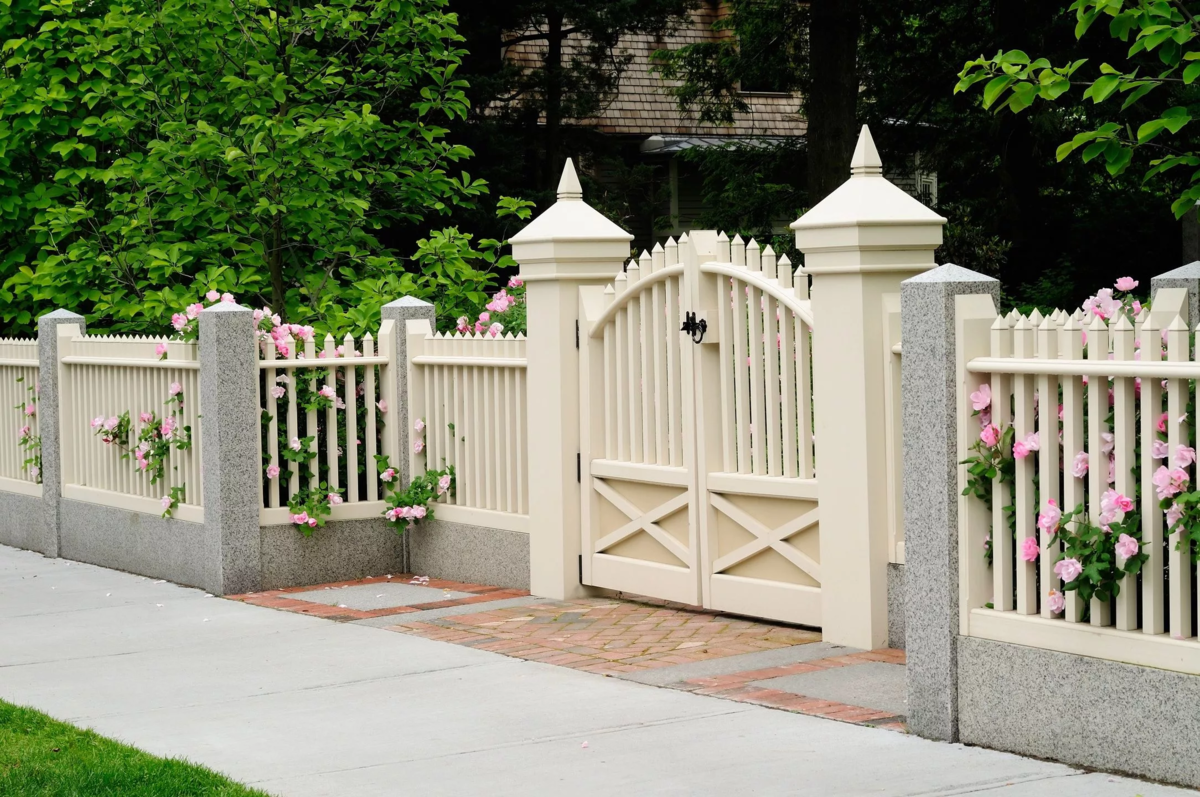
Windy areas present a unique challenge for fencing. In these environments, opt for sturdy materials like steel or thick vinyl, designed to withstand high gusts without toppling. Additionally, consider a design that allows wind to pass through, such as a picket or rail fence, which reduces the pressure on the structure.
Maintenance also plays a pivotal role in prolonging the lifespan of your fence. Regardless of the material, routine inspections and upkeep can prevent small issues from becoming costly problems. Wooden fences, for instance, require regular staining or sealing to maintain their protective barriers against moisture. Metal fences might need periodic inspection for rust or damage, especially at joints and welds.
Eco-conscious homeowners should also consider the environmental impact of their fencing material choices. Bamboo, a rapidly renewable resource, serves as an excellent fencing option in warmer climates. For those inclined towards metal, choosing recycled steel or aluminum can contribute to sustainability without sacrificing strength or durability.
Ultimately, the right fencing solution combines aesthetic appeal, functionality, and resilience tailored to your local climate conditions. By selecting weather-resistant fencing materials, you can enhance both the visual appeal and the value of your property while minimizing maintenance efforts. At Top Tier Fencing, we are committed to helping you make informed decisions that align with your climate needs, ensuring your fence stands the test of time and the elements.
Investing in a weather-resistant fence is not just about enduring harsh conditions; it’s about providing your property with lasting aesthetics, security, and value. Contact us today to explore our robust selection of fencing options tailored to withstand your region’s unique climate challenges.