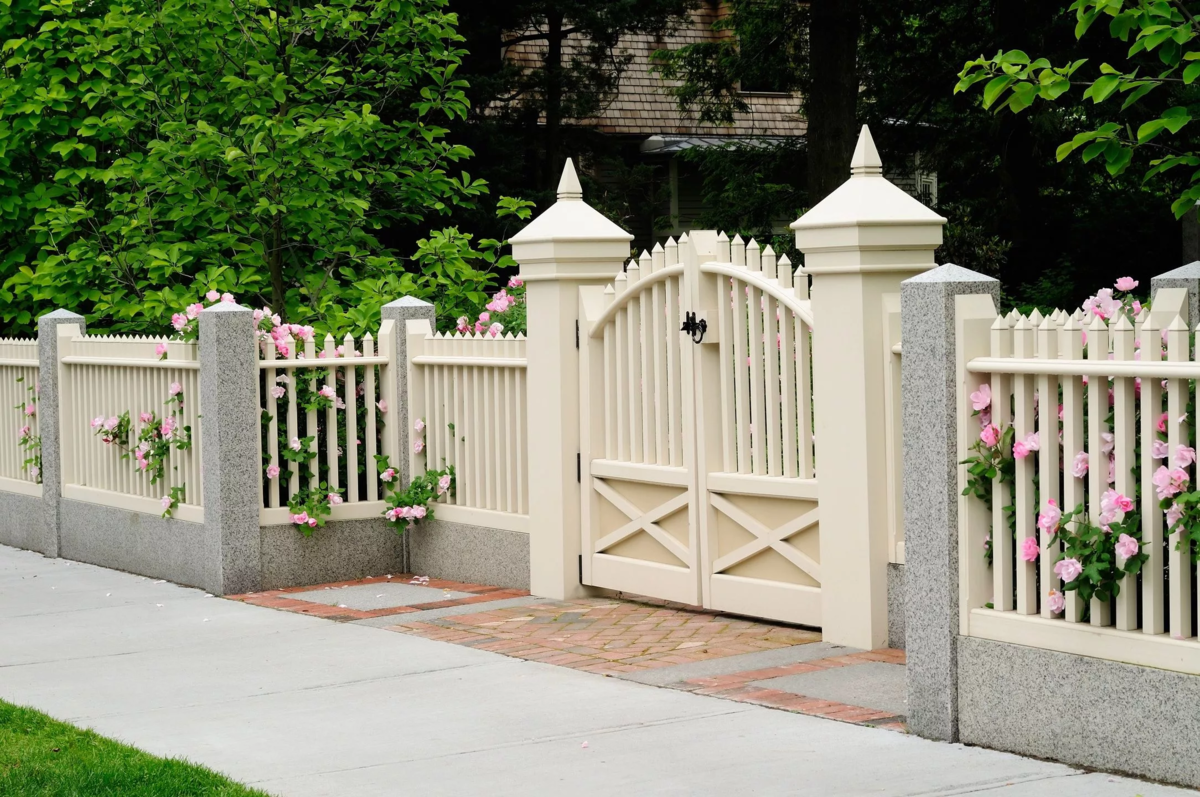
Fencing and Flora: Designing Garden-Friendly Boundaries for Your Home May 18, 2026
To begin with, choosing the right fencing material is key. Each material offers different benefits that can either bolster or inhibit your garden's growth. For instance, wooden fences are a popular choice owing to their natural look and versatility. However, it's important to consider treatments that protect the wood from moisture while also being non-toxic to the nearby plants. Alternatively, vinyl fences offer a modern, clean appearance that requires less maintenance but might not provide the same warmth as natural materials.
Another factor to consider is the fence's impact on light. Gardens thrive under optimal lighting, and the height and style of your fence can significantly affect the amount of sunlight your plants receive. A tall, solid fence may create much-needed privacy but could cast long shadows across your garden. If your garden thrives on sunlight, consider opting for slatted designs or fences with lattice tops that allow sunlight to stream through while still providing necessary coverage.
Airflow is yet another crucial element. Restricted air movement can lead to plant diseases and stunted growth. A semi-permeable fencing style, such as a picket or decorative metal fence, can encourage better airflow and create a healthier microenvironment for your plant beds. Additionally, consider the distance between your fence and the nearest garden plot. Ensuring there's ample space allows for sufficient air circulation and easy access for gardening tasks.
Incorporating climbing plants or vertical gardens onto your fence can enhance the visual appeal of your landscape. Climbing plants like jasmine, clematis, or honeysuckle can be trained to grow on trellises attached to the fence. This approach not only saves garden space but also adds texture and color to otherwise plain fencing surfaces. However, it's vital to ensure that the plant types chosen are compatible with the fence material to avoid damage.
When planting near fences, take soil conditions into account. The type of fence you select may affect the soil's drainage ability and chemical leaching. Raised flower beds or planters can mitigate potential issues and allow for greater control over the soil environment, benefiting both the plants and the fence's longevity.
Lastly, maintaining your garden-friendly fence requires regular observation and care. At Top Tier Fencing, we recommend a routine check-up every season to assess for any signs of wear or damage, especially if plants are closely situated. This habit will ensure that both the fence and your garden remain in excellent condition year-round.
In conclusion, by thoughtfully considering materials, light, airflow, and proximity, you can create a garden-friendly fencing solution that enhances your home's exterior. The synergy between a well-chosen fence and flourishing garden not only boosts curb appeal but also elevates your outdoor living space into a vibrant, harmonious retreat. At Top Tier Fencing, we are committed to helping you design and maintain a fencing solution that beautifully complements your garden.